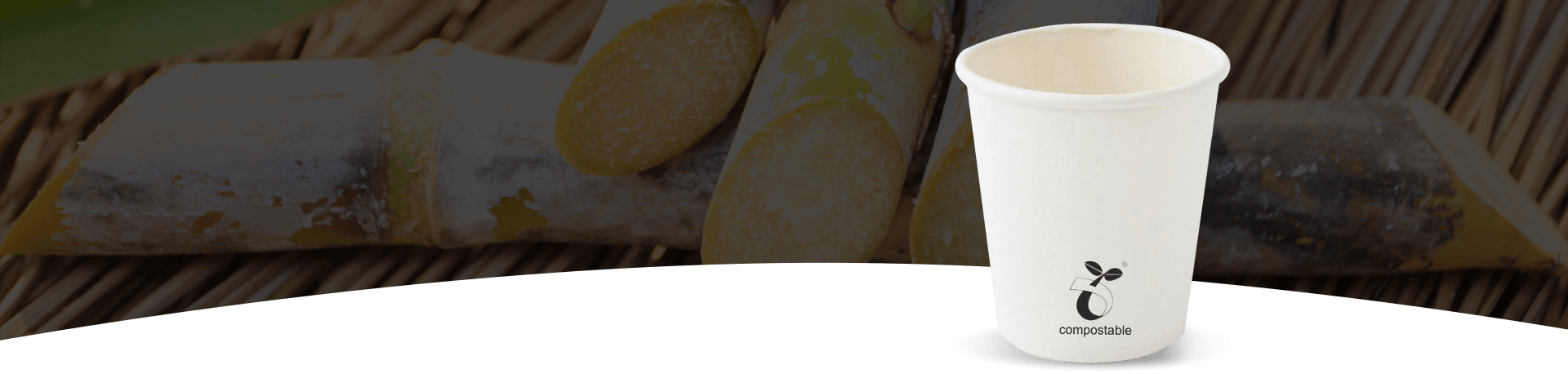
With the rising price of energy and the increasingly prominent environmental problems, the pace of replacing traditional petroleum products with biodegradable materials in the world is gradually accelerating. It is expected that the government will introduce corresponding preferential policies, laws and regulations to encourage market application. The prospect of large-scale application of biodegradable materials is very optimistic.
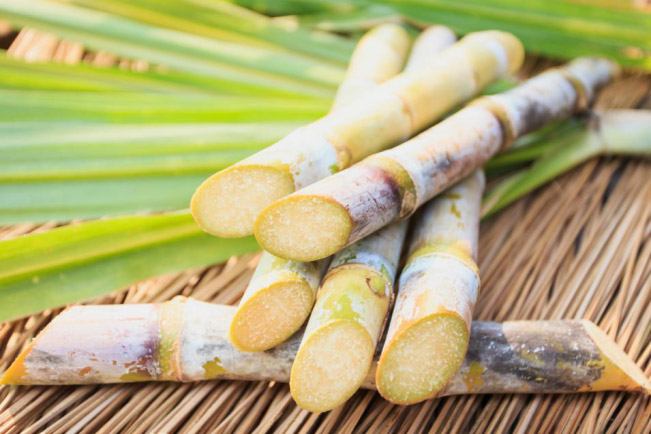
Biodegradable materials include polymer materials directly prepared by biotechnology, such as polyhydroxy fatty acid esters (PHA); A class of materials obtained by polymerization of raw materials prepared by biotechnology, such as polylactic acid (PLA), polybutylene succinate (PBS), polyamino acids, etc.; In addition, there are starch-based biodegradable plastics, carbon dioxide copolymer aliphatic polycarbonate (APC) and so on.
Starch-based biodegradable plastic is a kind of plastic product made by blending starch with other polymers after modification and grafting reaction. It can be used as packaging material, shockproof material, mulching film, food container, toy, etc.
PLA is a polymer material polymerized from lactic acid, which has the characteristics of non-toxicity, non-irritation, high strength, easy processing and excellent biocompatibility. The products can be completely degraded after use. Therefore, PLA is a bio-environmental protection material that can truly achieve ecological and economic double effects, and is the most active and fastest developing biodegradable plastic in recent years.
Poly (butylene succinate), which is obtained by polycondensation of succinic acid and butanediol, is recognized as a biodegradable plastic with the best comprehensive properties in the world. Because PBS has excellent comprehensive performance, reasonable cost performance and wide application, it can be used in packaging, tableware, cosmetic bottles and medicine bottles, disposable medical supplies, agricultural films, pesticide and fertilizer slow-release materials, biomedical polymer materials and other fields.
Polyhydroxy fatty acid ester is a natural polymer polyester, which is an intracellular polyester synthesized by many bacteria under specific conditions. More than 90 genera of bacteria have been found to synthesize more than 150 PHA with different structures. At present, the commercial PHA products mainly include polyhydroxybutyric acid (PHB), copolymer of hydroxybutyric acid and hydroxyvaleric acid (PHBV) and copolymer of hydroxybutyric acid and hydroxyhexanoic acid (PHBHHx).

CATHERINE
Tel.: +49 211 1674 6943
Mob.: +49 157 3558 2430
E-mail: sales@vitaimed.de
WhatsApp: +49 157 3558 2430

Copyright © VITAIMED GmbH All Rights Reserved. | Sitemap | Impressum & Datenschutz