
Polylactic acid (PLA) is a new type of biodegradable material, which is made from starch material proposed by renewable plant resources such as corn. Starch material is fermented into lactic acid and then converted into polylactic acid by chemical composition.
It has excellent biodegradability, can be completely degraded by microorganisms in nature after use, and eventually generate carbon dioxide and water, which does not pollute the environment. This is very beneficial to the protection of the environment, and is recognized as environmentally friendly information.
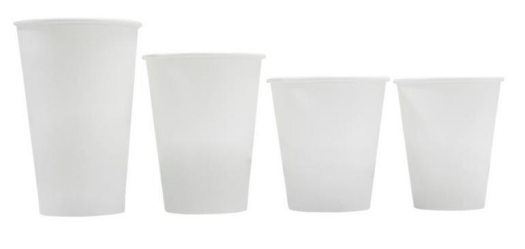
However, the process of industrial production of polylactic acid is much more complicated than chemical reaction. How to add molecular weight of polylactic acid to obtain better physical function is a problem faced by polylactic acid plastics manufacturers.
In the meantime, polylactic acid was prepared by two-step method. The center of this method is to make lactic acid produce cyclic dimer lactide, and then open-loop polycondensation to polylactic acid.
The main process is that the material is fermented by microorganisms to produce lactic acid, then refined, dehydrated and oligomerized, pyrolysis at high temperature, and finally polylactic acid is formed. A lot of research has been done on the direct dehydration and condensation of polylactic acid by solvent in vacuum, but there is no industrialization at present.
Polylactic acid (PLA) has excellent moisture-proof, grease-resistant and airtight properties. It has stable function at room temperature, but can degrade automatically when the temperature is higher than 55 C or under the effect of oxygen-enriched and microorganisms. The degradation of polylactic acid can be divided into two stages: 1) the hydrolysis of lactic acid monomer by purifying chemistry; 2) the degradation of lactic acid monomer into carbon dioxide and water in microorganisms. Food cups made of polylactic acid can be completely degraded in only 60 days, reaching the ecological and economic effects.
Fossil-based biodegradable plastics: PBAT and PBS petroleum-based biodegradable plastics are biodegradable plastics produced by polymerization of monomers produced in the petrochemical industry chain. At present, these plastics mainly include polybutylene succinate (PBS)/polybutylene succinate-adipate (PBSA), polycaprolactone (PCL) and polybutylene succinate-terephthalate (PBAT).

Copyright © VITAIMED GmbH All Rights Reserved. | Sitemap | Impressum & Datenschutz
